Uganda is one of Africa’s most distinctive tourism destinations, celebrated for its extraordinary biodiversity, lush landscapes, and rich cultural encounters. Located in East Africa, Uganda has earned global recognition as the “Pearl of Africa,” a title that reflects its scenic beauty and ecological richness. Tourism in Uganda is more than a leisure activity; it is a vital contributor to the national economy and a powerful expression of the country’s international image. From primate trekking in ancient forests to savannah safaris and Nile adventures, Uganda offers tourism experiences that are both diverse and deeply immersive.
Wildlife Tourism and Safari Experiences
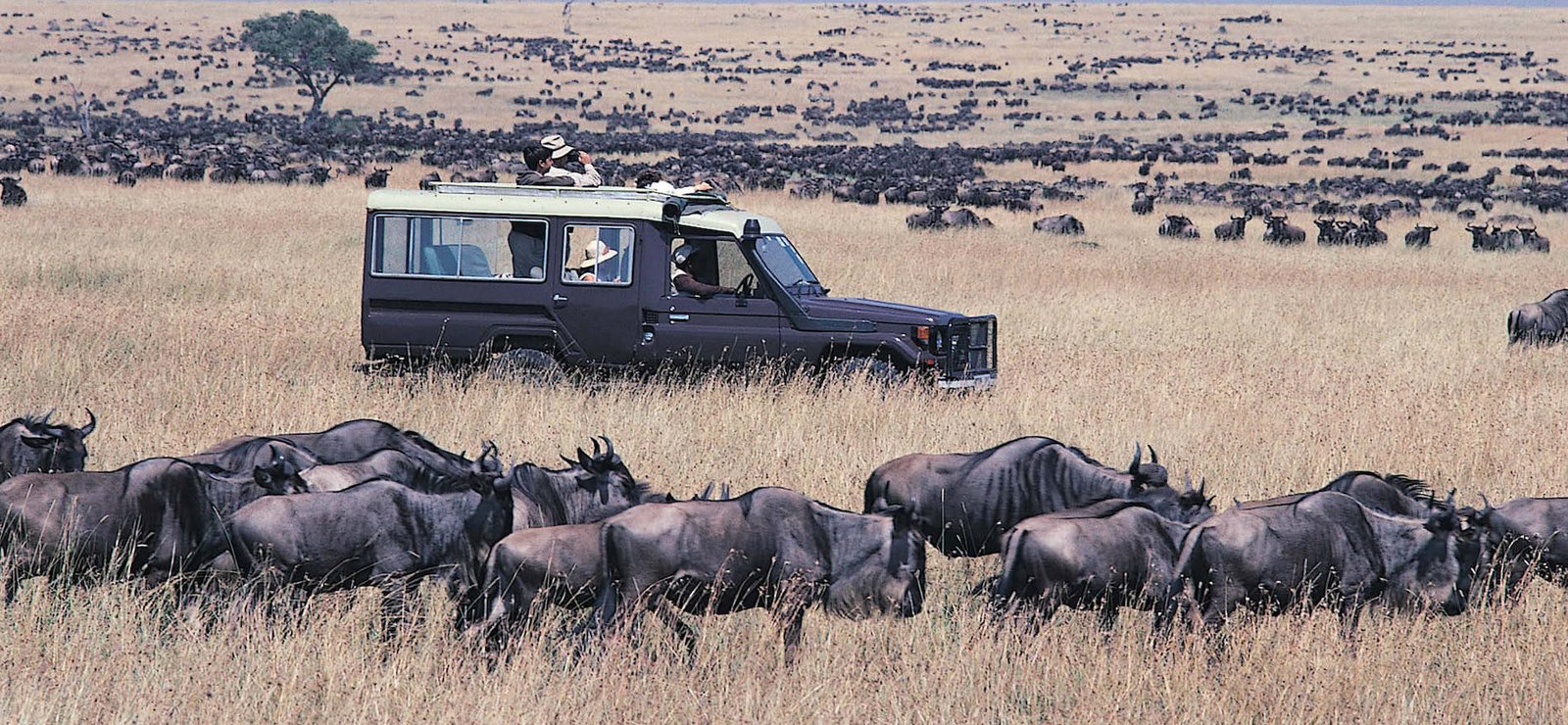
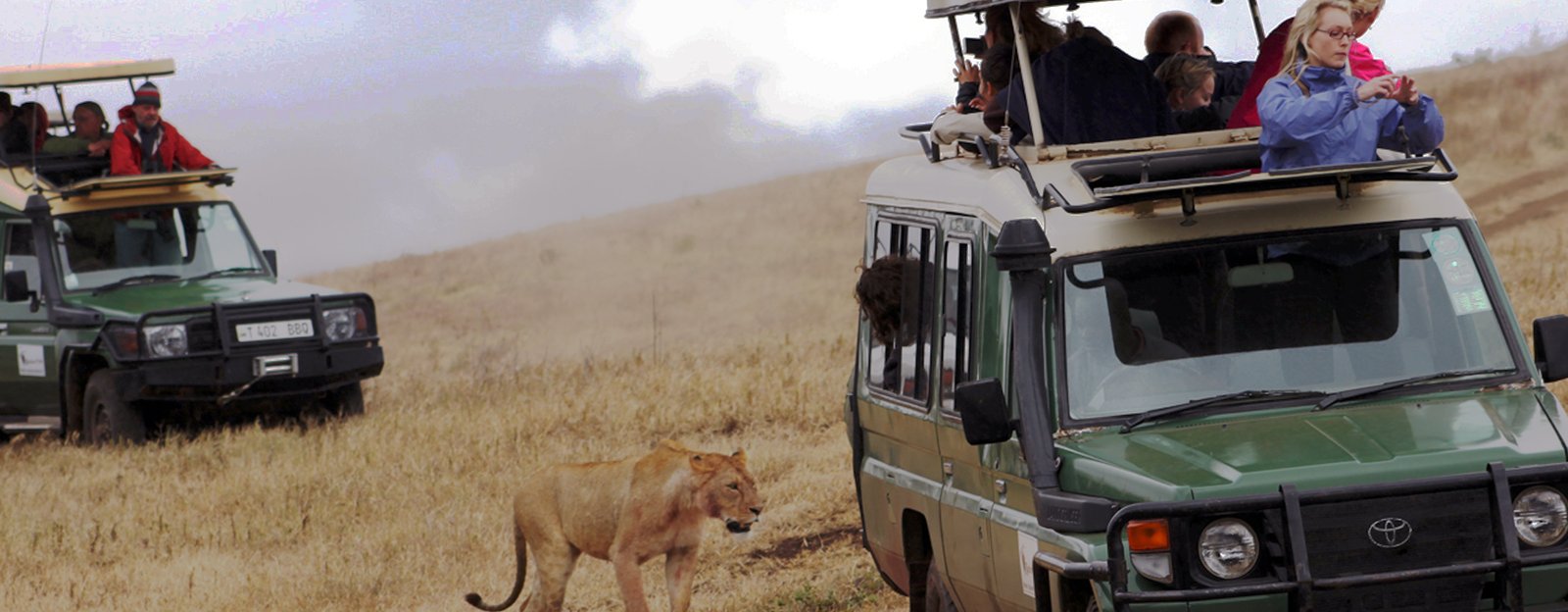
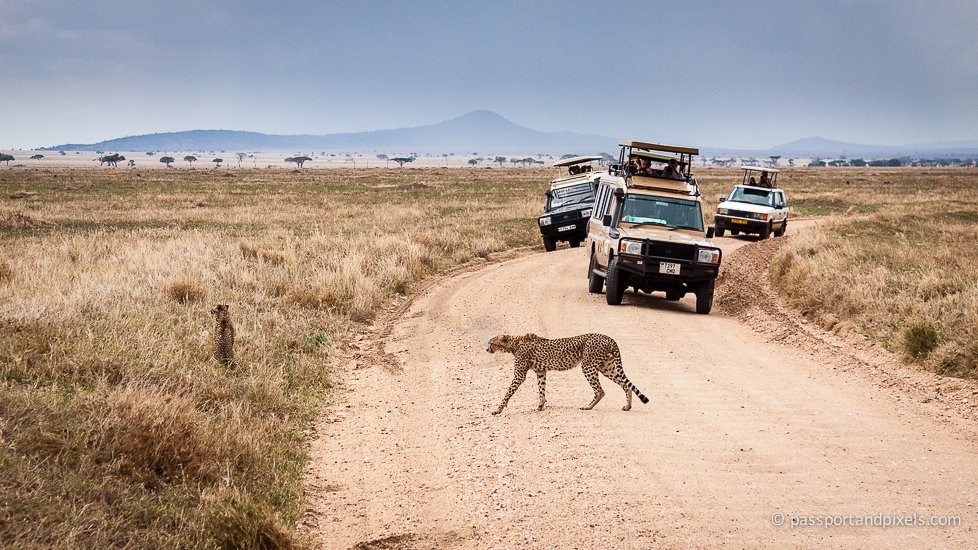
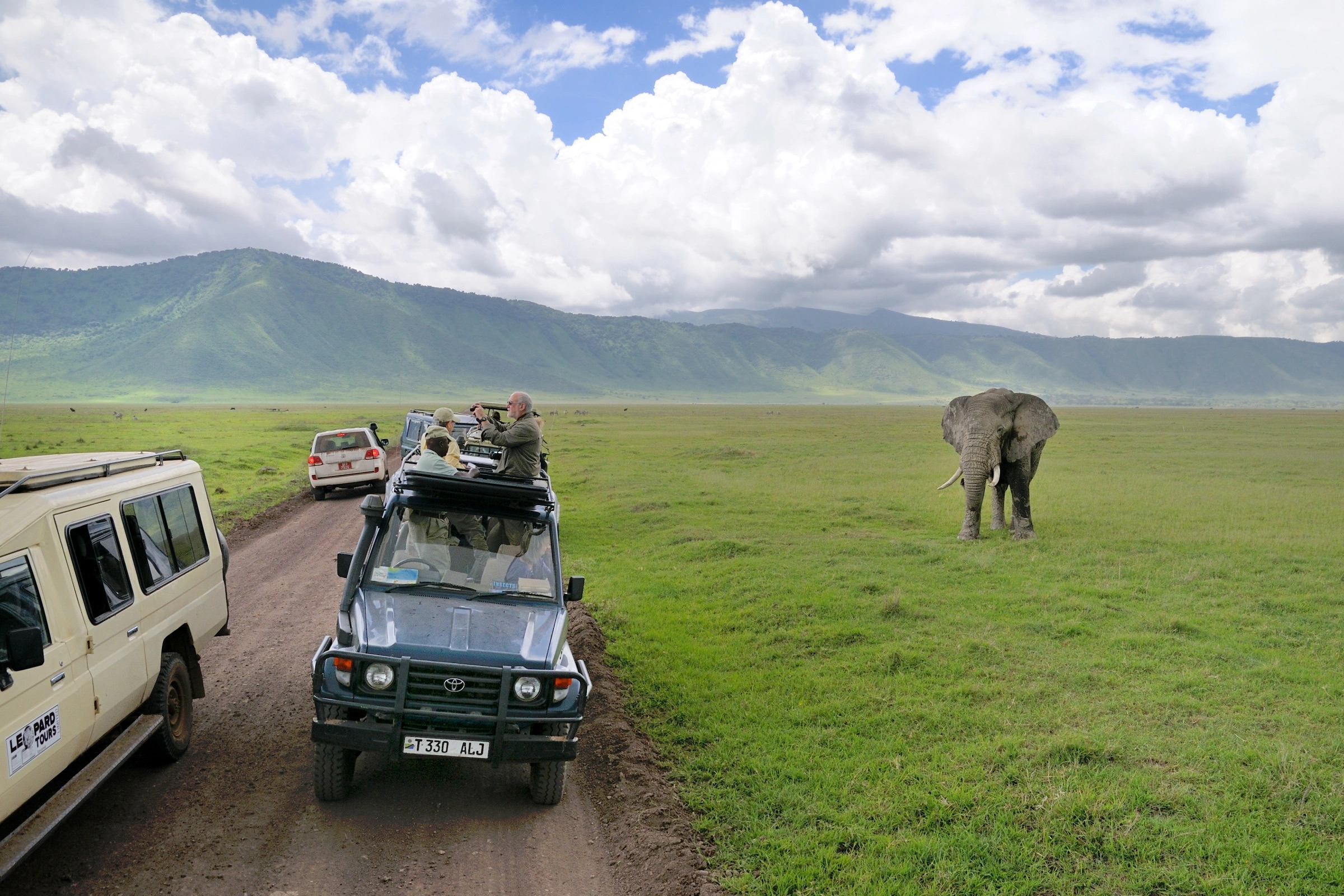
Wildlife tourism is a cornerstone of Uganda’s tourism industry, distinguished by the country’s remarkable range of ecosystems compressed into a relatively small area. Uganda is home to savannah parks, tropical rainforests, wetlands, lakes, and mountains, creating habitats for an exceptional variety of wildlife. Unlike many classic safari destinations, Uganda uniquely combines big-game viewing with world-class primate encounters.
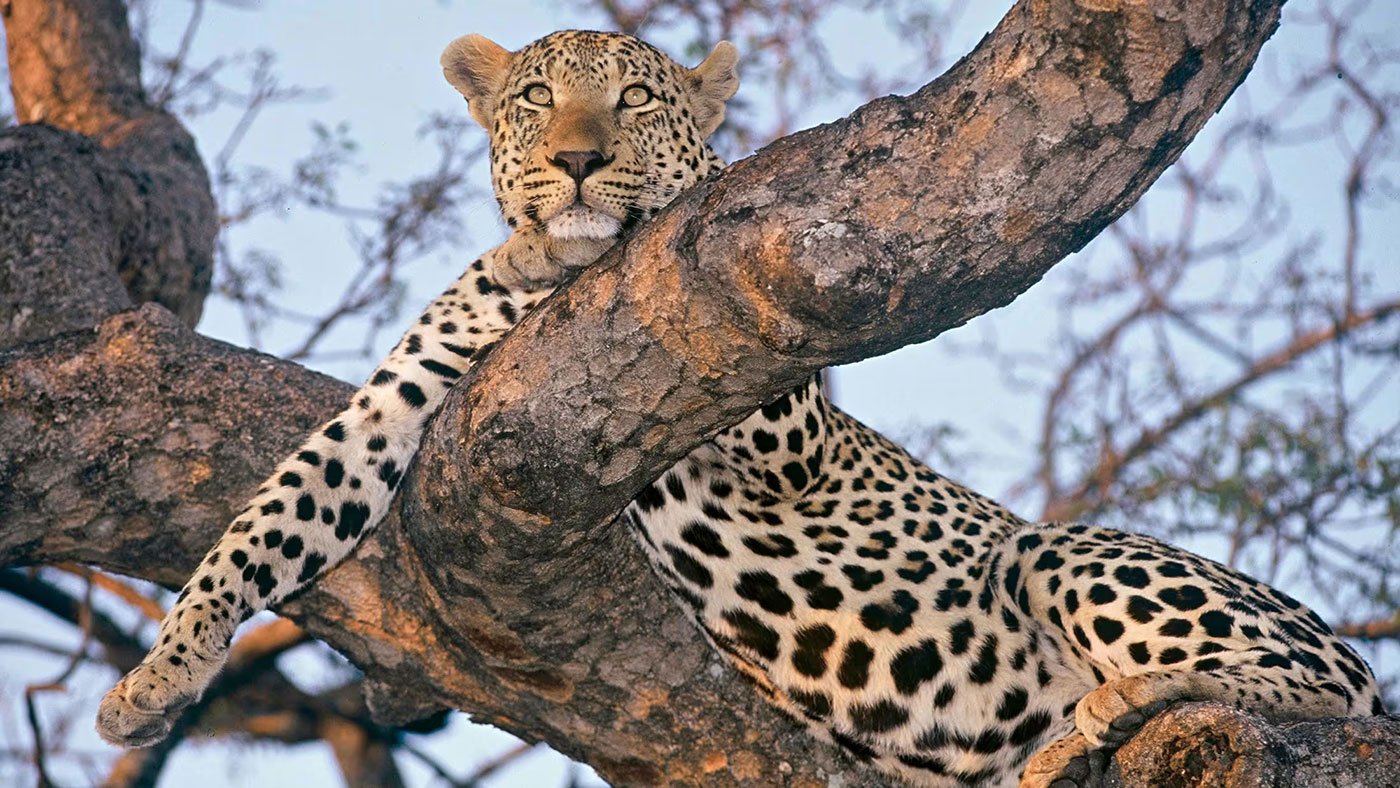
Queen Elizabeth National Park is Uganda’s most visited safari destination, famous for its tree-climbing lions, large herds of elephants, and rich birdlife. Murchison Falls National Park offers dramatic wildlife viewing along the Nile River, where visitors encounter giraffes, buffaloes, hippos, and crocodiles against a backdrop of powerful waterfalls. Kidepo Valley National Park, one of Africa’s most remote and unspoiled parks, provides an exclusive safari experience characterized by vast open plains and rugged scenery.
Primate Tourism and Forest Experiences
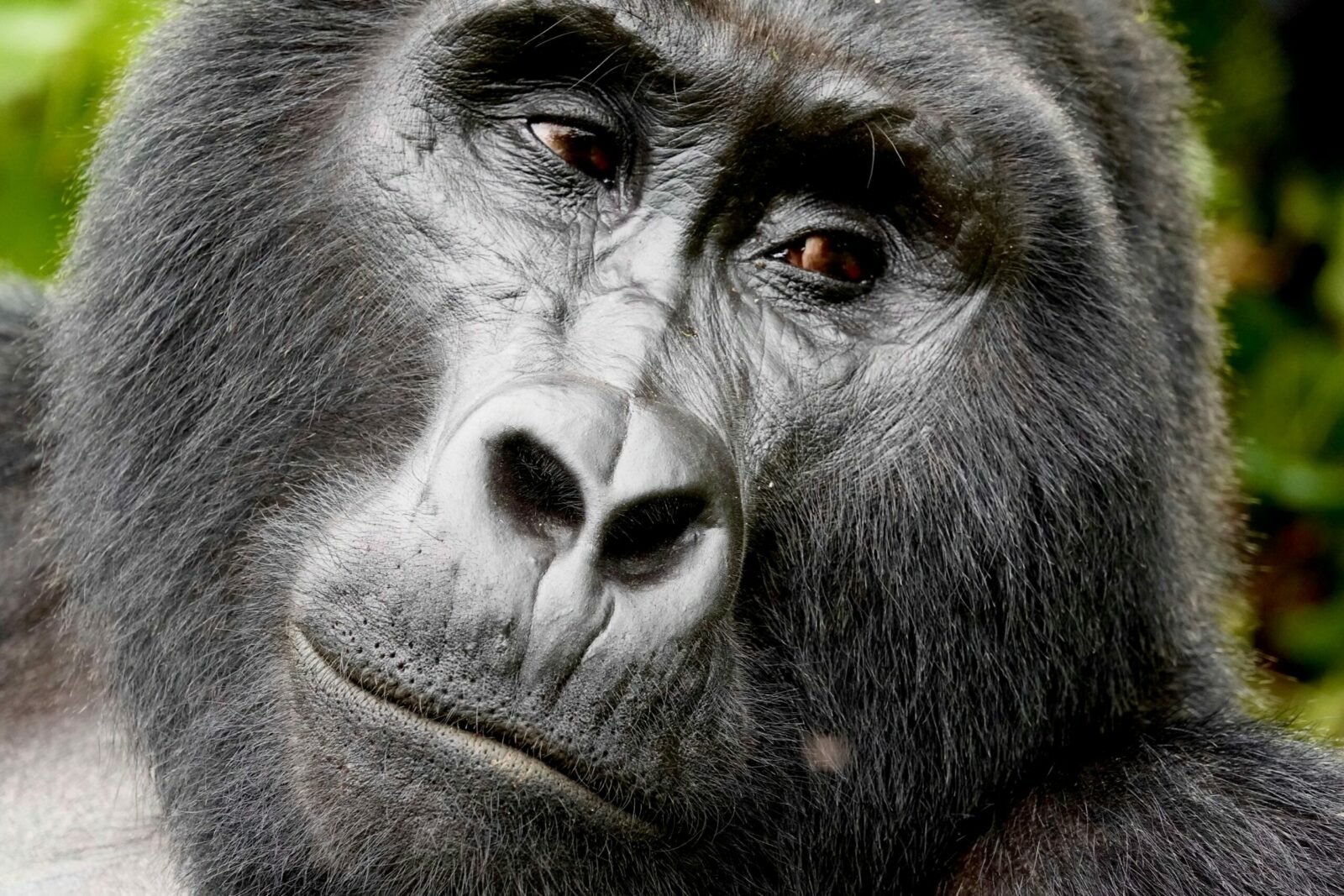
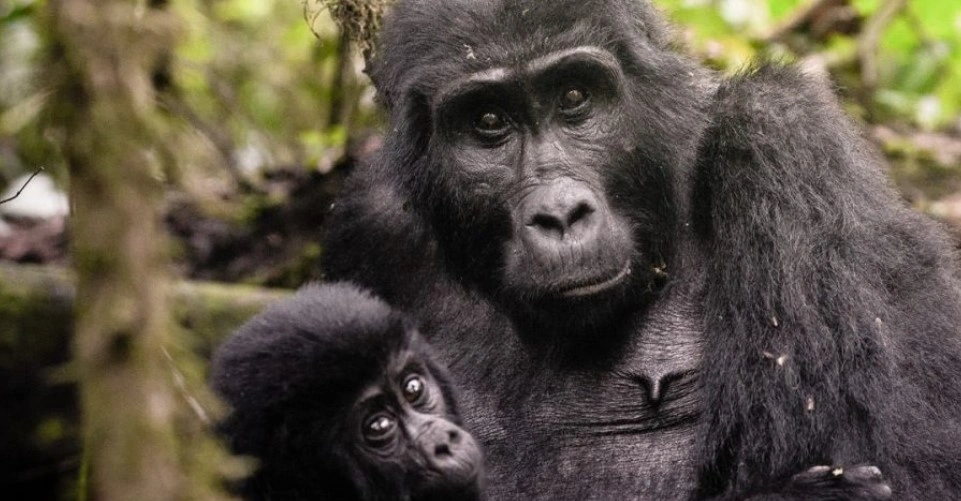
Primate tourism is Uganda’s most iconic and internationally recognized attraction. The country is one of the few places in the world where visitors can track mountain gorillas in their natural habitat. Bwindi Impenetrable National Park and Mgahinga Gorilla National Park are the focal points of this experience, drawing travelers from around the globe.
Chimpanzee tracking is another major highlight, particularly in Kibale Forest National Park, which has one of the highest concentrations of primates in Africa. These forest experiences offer intimate, guided encounters with wildlife and emphasize conservation, research, and responsible tourism practices. Primate tourism generates significant revenue that directly supports wildlife protection and local community development.
Mountain and Adventure Tourism
Adventure tourism plays a growing role in Uganda’s tourism sector, driven by its dramatic landscapes and varied terrain. The Rwenzori Mountains, often referred to as the “Mountains of the Moon,” offer challenging trekking experiences through glaciers, alpine vegetation, and mist-covered peaks. These mountains attract experienced hikers seeking a demanding and rewarding adventure.
In addition to the Rwenzoris, Mount Elgon provides scenic hiking routes, caves, waterfalls, and panoramic views. Uganda’s adventure tourism also includes cycling, nature walks, and off-the-beaten-path exploration, appealing to travelers who seek active experiences combined with natural beauty and cultural interaction.
Water-Based Tourism and the River Nile
Uganda’s lakes and rivers are central to its tourism appeal, with the River Nile standing out as a world-class adventure and sightseeing destination. Jinja, widely regarded as the source of the Nile, is the hub of water-based tourism in the country.
White-water rafting on the Nile is one of Uganda’s most famous adventure activities, attracting thrill-seekers from around the world. In addition to rafting, visitors can enjoy boat cruises, kayaking, sport fishing, and sunset cruises. Lakes such as Lake Victoria, Lake Bunyonyi, and Lake Albert offer tranquil settings for relaxation, birdwatching, and cultural exploration.
Nature, Birding, and Ecotourism Experiences
Uganda is one of Africa’s premier birdwatching destinations, with over 1,000 recorded bird species. Birding tourism attracts specialists and nature enthusiasts who visit wetlands, forests, and savannahs in search of rare and endemic species, including the shoebill stork.
Ecotourism principles are deeply embedded in Uganda’s tourism development. Many lodges and tour operators focus on low-impact tourism, conservation education, and community involvement. Protected areas such as Bwindi, Semuliki, and Mabamba Swamp showcase how tourism can support biodiversity conservation while providing meaningful visitor experiences.
Cultural Tourism and Heritage Attractions
Cultural tourism adds depth and authenticity to Uganda’s tourism offerings. The country is home to more than 50 ethnic groups, each with distinct traditions, languages, music, and customs. Visitors are increasingly drawn to cultural experiences that complement wildlife and nature-based tourism.
Cultural attractions include visits to traditional kingdoms such as Buganda, Bunyoro, and Tooro, as well as community villages, craft markets, and cultural performance centers. The Kasubi Tombs, a UNESCO World Heritage Site, highlight Uganda’s royal heritage and historical identity. Cultural tourism in Uganda emphasizes storytelling, heritage preservation, and community participation.
Luxury Tourism and Exclusive Experiences
Uganda’s tourism sector has seen steady growth in luxury and high-end travel. Exclusive lodges, boutique camps, and premium safari experiences cater to travelers seeking privacy, comfort, and personalized service. Luxury gorilla trekking experiences often include high-end accommodation, expert guides, and seamless logistics.
This segment of tourism balances exclusivity with sustainability, as many luxury operators invest heavily in conservation initiatives and community projects. While luxury tourism serves a limited number of visitors, it generates substantial revenue that supports protected areas and rural livelihoods.
Community-Based Tourism Initiatives
Community-based tourism is a vital component of Uganda’s tourism model. These initiatives aim to ensure that tourism benefits extend beyond protected areas to local populations. Visitors may participate in homestays, guided village walks, cultural workshops, and conservation activities led by community members.
Such experiences foster cultural exchange and provide income opportunities for local people, while encouraging conservation-friendly attitudes. Community-based tourism strengthens the relationship between tourism, heritage preservation, and sustainable development.
Tourism Infrastructure and Services
Uganda’s tourism industry is supported by improving infrastructure and professional services. Entebbe International Airport serves as the main gateway, connecting Uganda to regional and international destinations. Domestic flights, road networks, and water transport link visitors to national parks and remote attractions.
Accommodation options range from budget guesthouses to luxury eco-lodges, enabling Uganda to cater to a broad spectrum of travelers. Trained guides, tour operators, and hospitality professionals play a crucial role in delivering high-quality tourism experiences, even as infrastructure development continues to evolve in more remote regions.