Tanzania is one of the world’s most celebrated tourism destinations, renowned for its unmatched combination of wildlife, landscapes, and cultural experiences. Located in East Africa, the country has built a global reputation as a place where travelers can experience some of the planet’s last great wilderness areas alongside pristine beaches and vibrant heritage sites. Tourism is not just a recreational activity in Tanzania; it is a central pillar of the national economy and a defining feature of the country’s international identity. From classic safaris to luxury island escapes, Tanzania offers tourism experiences that are both diverse and deeply immersive.
Wildlife Tourism and Safari Experiences
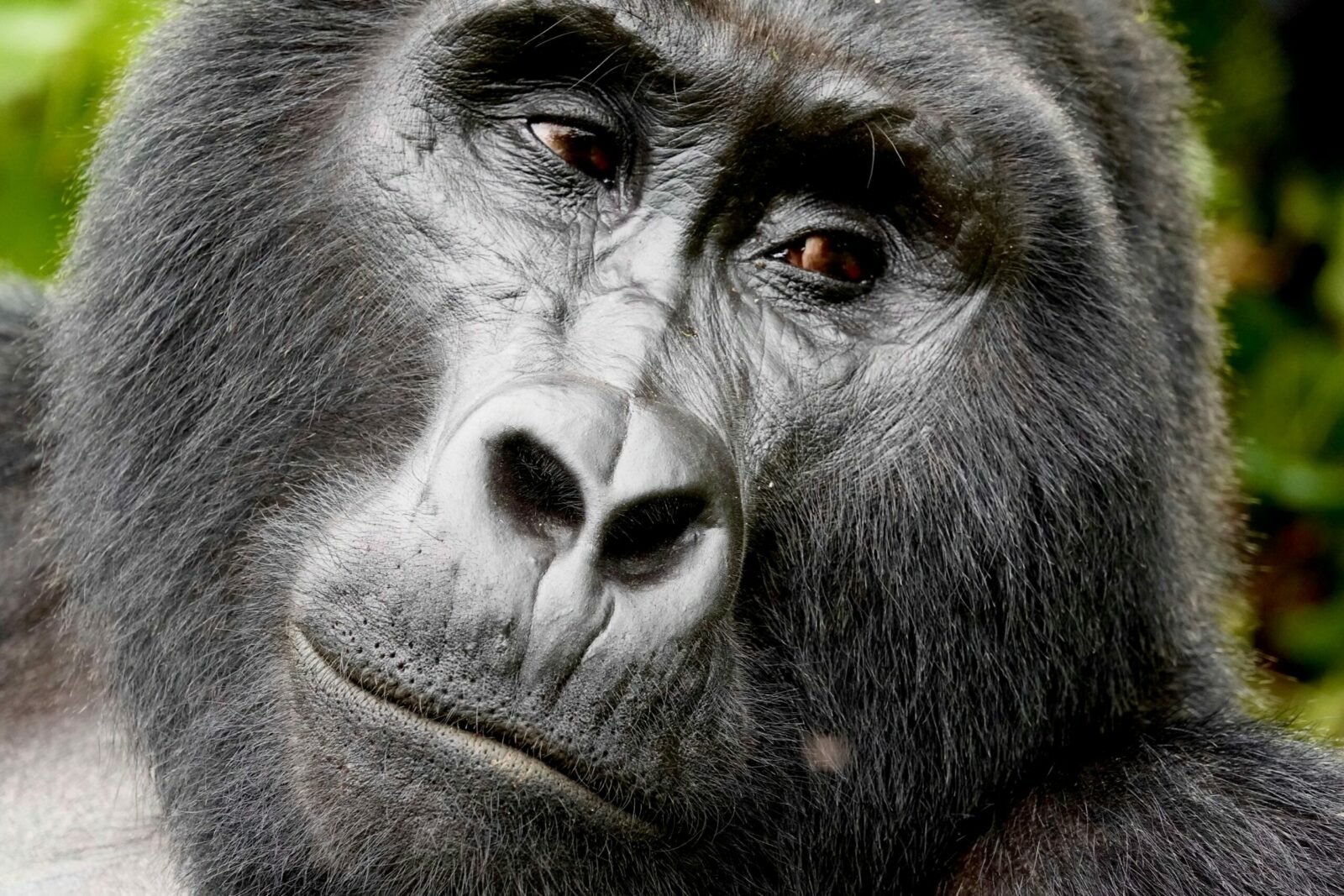
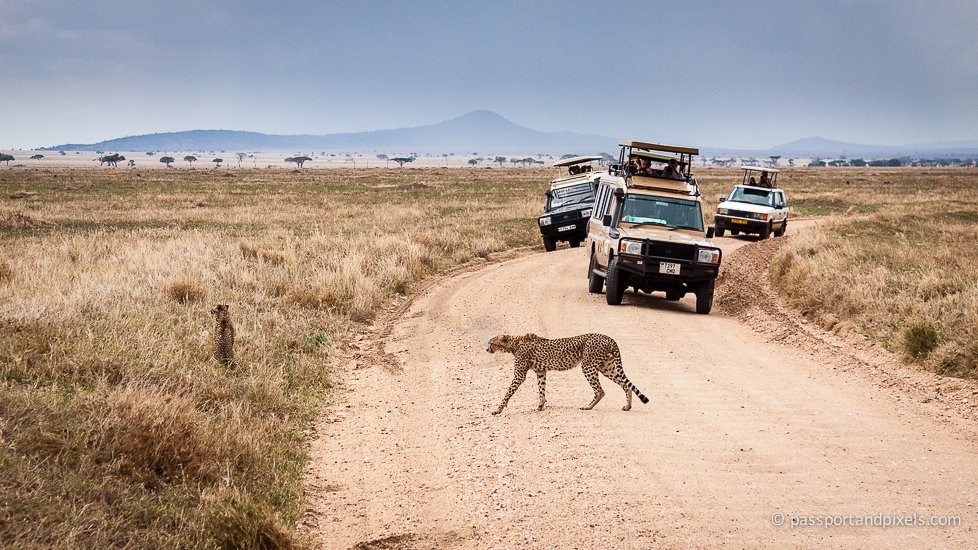
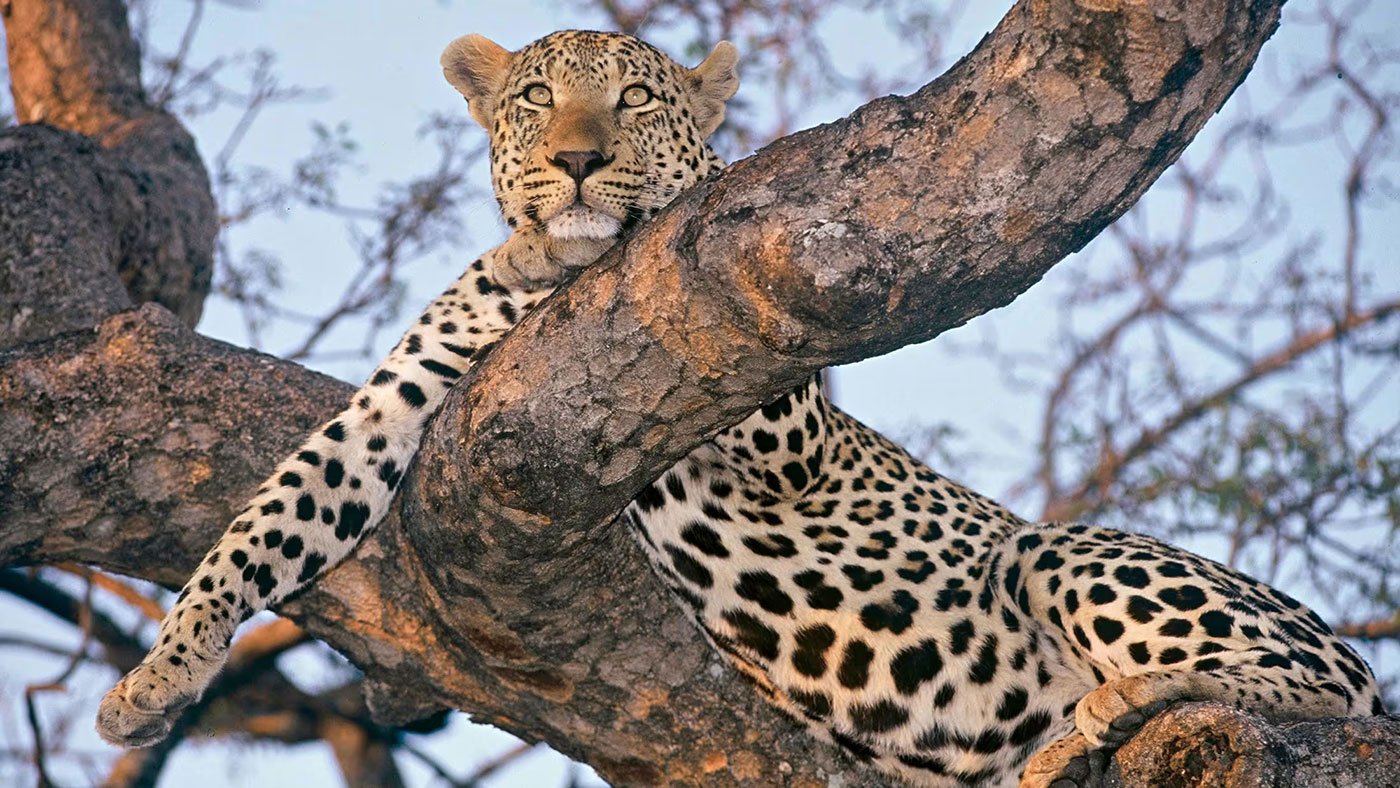
Wildlife tourism is the backbone of Tanzania’s tourism industry. The country hosts the highest concentration of wildlife in Africa and dedicates a significant portion of its land to conservation areas, national parks, and game reserves. Tanzania is particularly famous for offering classic safari experiences, where visitors can observe animals roaming freely in vast, unfenced landscapes.
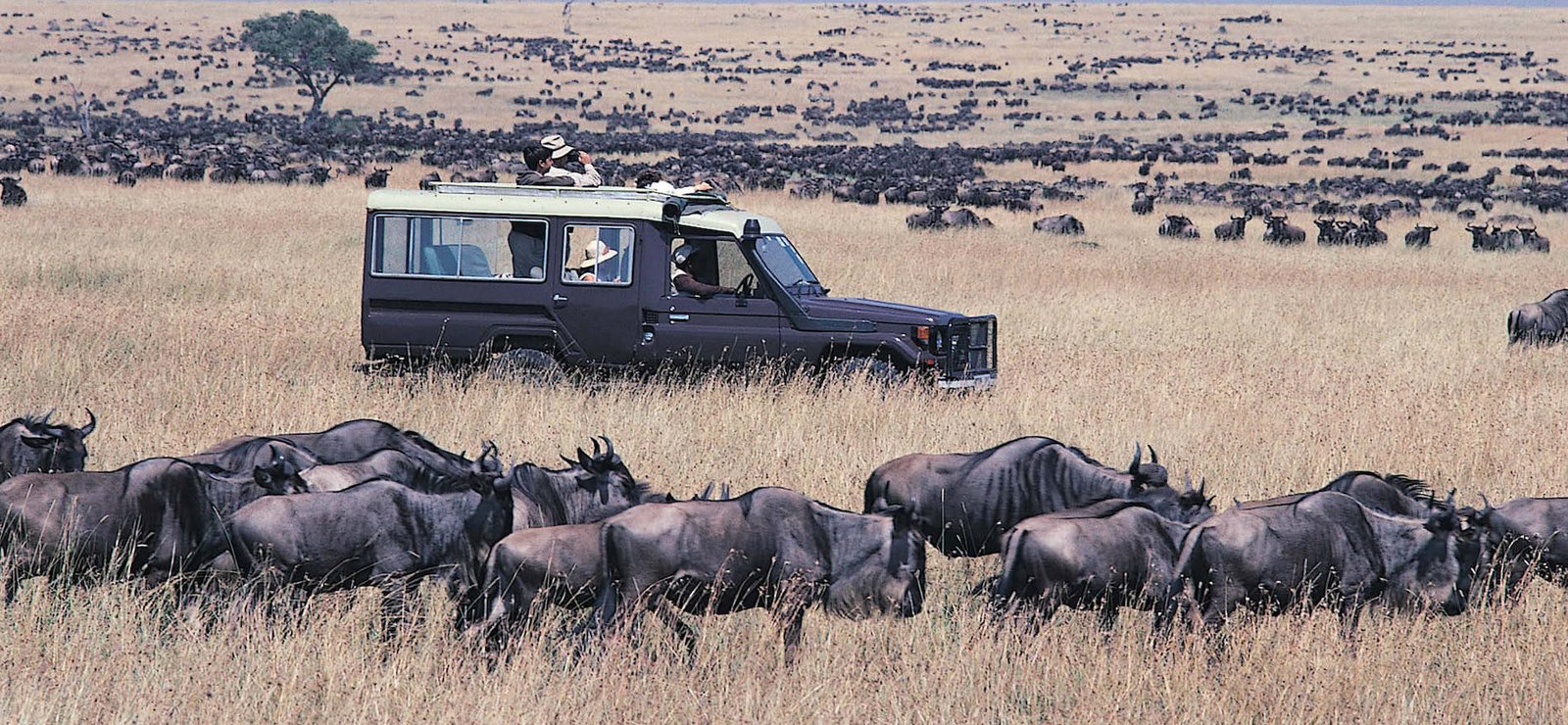
The Serengeti National Park is the most iconic safari destination, globally known for the Great Migration. Each year, millions of wildebeest, zebras, and gazelles move across the plains in search of grazing land, attracting predators and creating one of nature’s most dramatic spectacles. Beyond the Serengeti, parks such as Ruaha, Tarangire, Katavi, and Nyerere National Park offer diverse safari experiences, from elephant-dominated ecosystems to remote, less-crowded wilderness areas. Tanzania’s safari tourism appeals to photographers, researchers, adventure seekers, and luxury travelers alike.
The Ngorongoro Conservation Area Experience
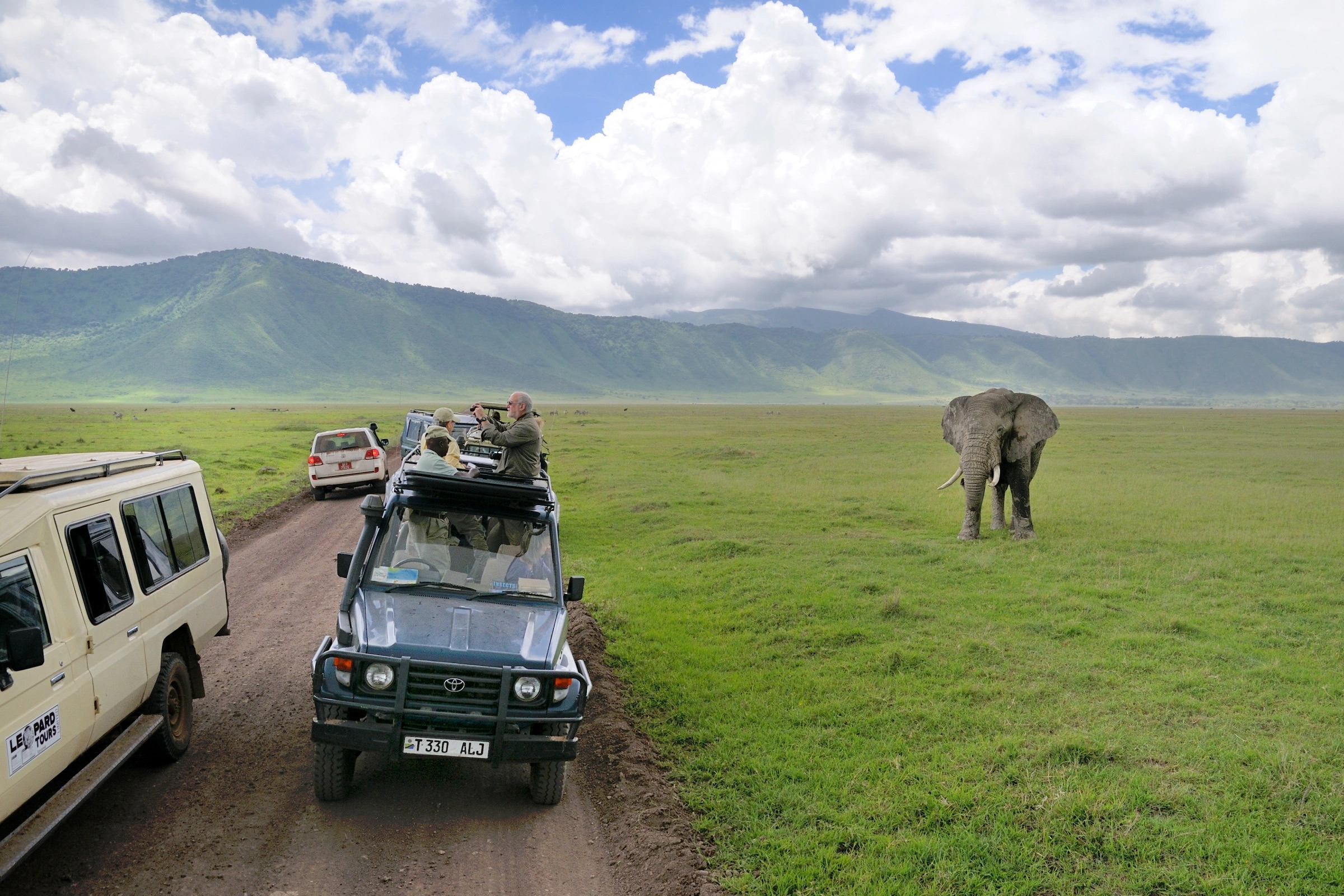
The Ngorongoro Conservation Area is one of Tanzania’s most unique tourism attractions. Unlike traditional national parks, Ngorongoro is a multiple-use area where wildlife conservation coexists with human habitation. The Ngorongoro Crater, a vast volcanic caldera, is the centerpiece of this destination and one of Africa’s most concentrated wildlife viewing areas.
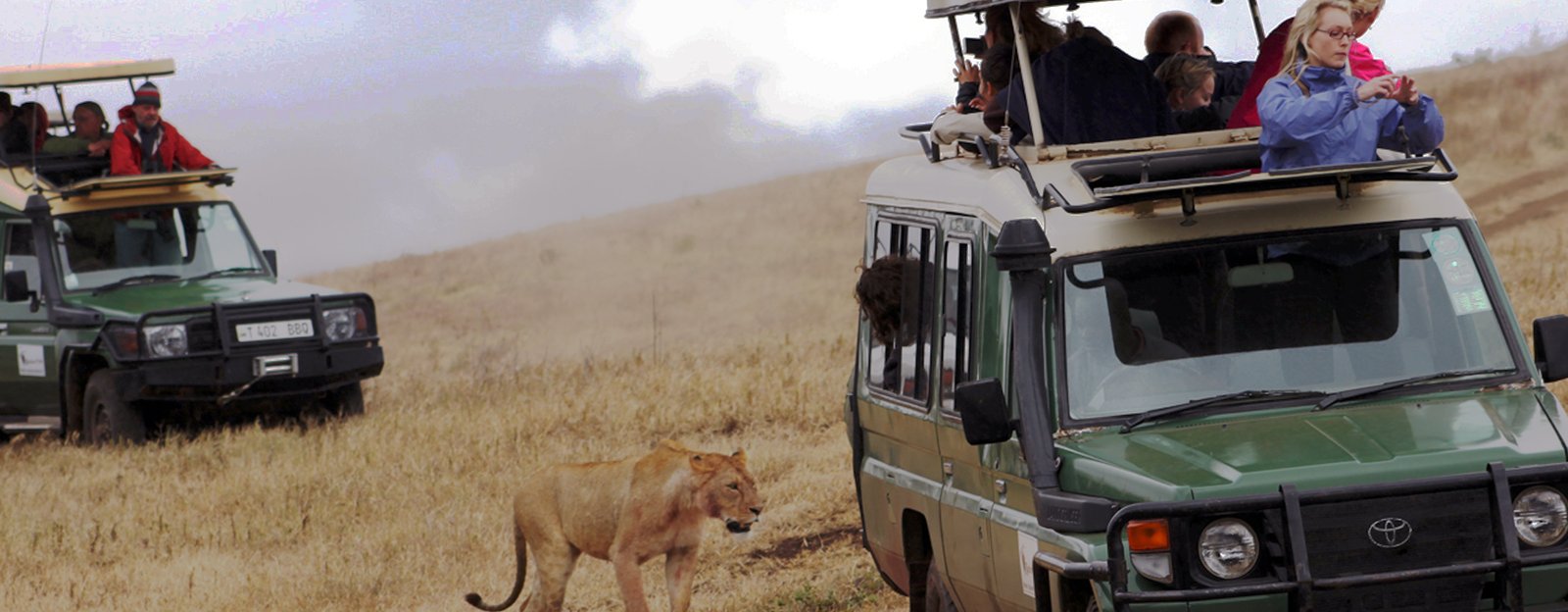
Tourists visiting Ngorongoro can see lions, elephants, rhinos, buffalo, flamingos, and many other species within a relatively small area. The dramatic scenery of crater walls, crater lakes, and open grasslands makes the experience visually unforgettable. Ngorongoro also attracts visitors interested in cultural tourism, as Maasai communities live and graze livestock within the conservation area, offering insight into traditional pastoralist lifestyles.
Mountain Tourism and Adventure Travel
Mountain tourism plays a major role in Tanzania’s tourism sector, particularly through Mount Kilimanjaro. As the highest mountain in Africa and the highest free-standing mountain in the world, Kilimanjaro is a magnet for climbers from around the globe. Each year, tens of thousands of tourists attempt to summit Uhuru Peak, contributing significantly to the local and national economy.
Beyond Kilimanjaro, Mount Meru and the Udzungwa Mountains offer trekking opportunities that appeal to adventure travelers seeking less-crowded routes. These mountain destinations combine physical challenge with scenic beauty, biodiversity, and cultural encounters. Mountain tourism has also encouraged the development of guiding services, portering systems, lodges, and conservation initiatives that support local communities.
Beach and Coastal Tourism
Tanzania’s coastline and offshore islands are central to its tourism appeal, particularly for travelers seeking relaxation after safari or mountain adventures. The Indian Ocean coastline stretches for hundreds of kilometers and features white-sand beaches, coral reefs, and warm tropical waters.
Zanzibar is the centerpiece of Tanzania’s beach tourism. The archipelago is famous for its turquoise waters, palm-lined beaches, and luxury resorts, as well as its rich cultural heritage. Popular beach destinations include Nungwi, Kendwa, Paje, and Matemwe, each offering a different atmosphere, from lively social scenes to quiet, secluded retreats. Beyond Zanzibar, destinations such as Mafia Island and Pangani attract visitors interested in marine tourism, including snorkeling, diving, and whale shark encounters.
Marine and Ecotourism Experiences
Marine tourism is a growing segment of Tanzania’s tourism industry. Coral reefs, mangrove forests, and marine parks support diverse ecosystems that attract nature-focused travelers. Mafia Island Marine Park, one of the best-preserved marine environments in the region, is particularly popular among divers and conservation-minded tourists.
Ecotourism principles are increasingly integrated into both marine and terrestrial tourism. Many lodges and tour operators emphasize low-impact practices, wildlife protection, and community involvement. Tourists are drawn to experiences that combine environmental responsibility with high-quality service, reinforcing Tanzania’s reputation as a destination for sustainable travel.
Cultural Tourism and Heritage Attractions
Cultural tourism adds depth and context to Tanzania’s tourism offerings. Visitors are increasingly interested in learning about the people, traditions, and histories connected to the landscapes they explore. Tanzania’s ethnic diversity allows tourists to engage with a wide range of cultural experiences, from Maasai villages near safari regions to Swahili heritage sites along the coast.
Stone Town in Zanzibar is a major cultural tourism attraction and a UNESCO World Heritage Site. Its narrow streets, historic buildings, mosques, and former trading houses tell the story of centuries of Indian Ocean trade and cultural exchange. Mainland cultural tourism includes visits to traditional villages, local markets, museums, and archaeological sites such as Olduvai Gorge, which attracts tourists interested in early human history.
Luxury Tourism and High-End Travel
Tanzania has become a leading destination for luxury tourism in Africa. High-end lodges, tented camps, private villas, and exclusive island resorts cater to affluent travelers seeking privacy, comfort, and personalized experiences. Luxury safaris often include private guides, charter flights, gourmet dining, and tailor-made itineraries.
This segment of tourism emphasizes exclusivity and conservation, with many luxury operators supporting wildlife protection and community development projects. While luxury tourism serves a smaller number of visitors, it generates high revenue and plays an important role in sustaining protected areas and local employment.
Community-Based Tourism Initiatives
Community-based tourism is an increasingly important aspect of Tanzania’s tourism strategy. These initiatives aim to ensure that local communities benefit directly from tourism activities. Tourists may stay in community-run lodges, participate in cultural exchanges, or engage in guided walks led by local residents.
Such experiences offer travelers a more authentic and educational perspective while contributing to income generation, education, and conservation efforts at the local level. Community-based tourism also helps foster positive relationships between protected areas and surrounding populations, which is essential for long-term sustainability.
Tourism Infrastructure and Services
Tanzania’s tourism industry is supported by a growing network of infrastructure and services. International airports in Dar es Salaam, Kilimanjaro, and Zanzibar connect the country to major global markets. Domestic flights, safari vehicles, and road networks link tourists to remote destinations.
Accommodation options range from budget hostels to world-class resorts, allowing Tanzania to cater to a wide variety of travelers. Professional tour operators, trained guides, and hospitality staff contribute to high-quality visitor experiences, although infrastructure development remains an ongoing challenge in remote areas.