

- 149 Views
- 3 Min Read
- (0) Comment
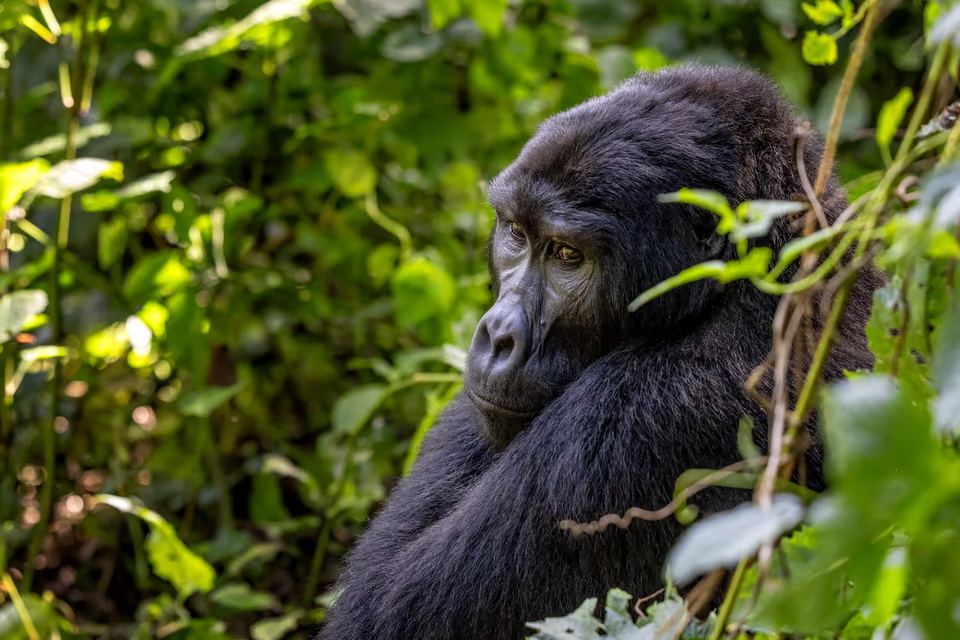
Gorilla Trekking in Uganda. Uganda is home to some of the last remaining mountain gorillas on Earth, offering travelers a rare opportunity to observe these magnificent primates in their natural habitat. Gorilla trekking in Uganda is not only an adventure but also a profound encounter with one of the most endangered species in the world. This guide explores what to expect, where to go, and how to make the most of your gorilla trekking experience.
Why Uganda is the Best Place for Gorilla Trekking
Uganda’s Bwindi Impenetrable Forest and Mgahinga Gorilla National Park are world-renowned for mountain gorilla populations. Unlike some other destinations, Uganda offers habituated gorilla families that allow visitors to spend up to one hour observing them safely. The dense forest, misty hills, and serene environment create a mystical backdrop, making every trekking moment memorable.
Bwindi Impenetrable Forest National Park
Bwindi Impenetrable Forest is the most famous gorilla trekking destination in Uganda. A UNESCO World Heritage Site, it is home to nearly half of the world’s mountain gorillas. Trekkers navigate lush forests, steep slopes, and winding trails to reach gorilla families. Along the way, guides explain the forest ecosystem and share insights into gorilla behavior and conservation. The combination of challenging terrain and awe-inspiring wildlife makes Bwindi an unforgettable destination.
Mgahinga Gorilla National Park
Mgahinga Gorilla National Park, located in southwestern Uganda, is smaller than Bwindi but equally remarkable. It offers a more intimate trekking experience and is home to the Virunga gorilla family. The park’s volcanic terrain and scenic hills provide breathtaking views while trekking. Mgahinga is ideal for travelers seeking a quieter, less crowded experience, and it is also home to golden monkeys, adding an extra wildlife dimension to the trek.
What to Expect on a Gorilla Trek
Gorilla trekking in Uganda involves hiking through dense rainforest with expert guides and trackers. Treks can last from two to six hours, depending on the gorilla family’s location. Visitors must be prepared for muddy trails, steep inclines, and sometimes rainy conditions. The reward is a face-to-face encounter with gorillas, observing their behavior, play, and social interactions. Guides ensure safety and provide informative commentary throughout the trek.
Golden Monkey Tracking
In addition to gorilla trekking, Uganda offers golden monkey tracking, particularly in Mgahinga Gorilla National Park. These small, vibrant primates live in bamboo forests and are easier to spot than gorillas, making this a lighter, family-friendly alternative or complement to the main gorilla trek. Observing golden monkeys provides unique photo opportunities and a deeper appreciation for Uganda’s primate diversity.
Preparing for Your Gorilla Trek
Preparation is essential for a successful gorilla trekking experience. Travelers should wear sturdy hiking shoes, long sleeves, and carry waterproof jackets. Bringing gloves, walking sticks, insect repellent, and snacks is recommended. Physical fitness is important, as some treks involve steep and challenging terrain. Booking permits well in advance is crucial due to high demand, especially during peak tourism seasons.
Conservation and Ethical Considerations
Gorilla trekking in Uganda supports conservation efforts and local communities. Strict rules are in place to protect gorillas, including maintaining a safe distance, limiting trekking group sizes, and restricting time spent with the gorillas to one hour. Visitors contribute to conservation fees, which fund anti-poaching patrols, habitat preservation, and community projects. Respecting these guidelines ensures that gorillas remain protected for future generations.
Best Time to Trek Gorillas
Uganda offers year-round gorilla trekking, but the dry seasons—from June to September and December to February—provide the easiest trekking conditions. Trails are less muddy, and visibility is better for photography. However, trekking during the wet season can also be rewarding, with fewer tourists and lush, vibrant forest scenery. Guides are experienced in navigating all weather conditions.
Additional Wildlife and Cultural Experiences
Beyond gorilla trekking, Uganda’s national parks offer diverse wildlife experiences. Visitors can spot elephants, buffaloes, and numerous bird species. Cultural encounters with local communities, such as the Batwa pygmies near Bwindi, provide insight into traditional forest-based lifestyles. Combining wildlife and culture enriches the gorilla trekking experience, offering a holistic understanding of Uganda’s natural and human heritage.